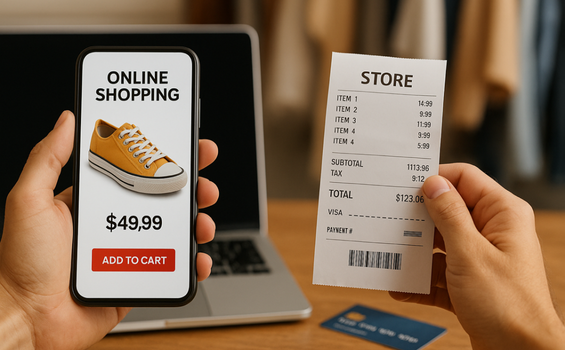
Consumer protection laws provide different rights and remedies depending on whether you shop online or in physical stores, with federal law establishing specific protections for online purchase transactions that don’t apply to brick-and-mortar shopping, while in-store purchases offer advantages in other areas
Federal Framework for Shopping Protections
Consumer rights for online shopping and in-store purchases operate under different federal and state legal frameworks. The Federal Trade Commission (FTC) enforces consumer protection laws across both channels, but specific regulations apply differently based on transaction type and location.
Federal law provides baseline protections against unfair business practices, deceptive advertising, and fraudulent transactions regardless of shopping method. However, shopping online triggers additional regulations not applicable to physical retail, while in-store purchases provide practical advantages in dispute resolution and immediate product inspection.
Understanding these distinctions helps consumers choose appropriate shopping channels for different purchase types and know which protections apply when problems arise.
Mail Order and Online Purchase Protections
The Federal Trade Commission’s Mail, Internet, or Telephone Order Merchandise Rule (Mail Order Rule) applies specifically to online purchase transactions, establishing rights that don’t exist for in-store shopping.
Delivery Timing Requirements
Online sellers must ship orders within the timeframe stated in their advertising or within 30 days if no timeframe is specified. If you expect delivery by a certain date based on seller promises, federal law requires they meet those commitments or notify you of delays.
When online sellers cannot meet shipping deadlines, they must provide delay notifications and offer options to either consent to delays or cancel orders for full refunds. This protection doesn’t apply to in-store purchases where you take possession immediately.
Sellers must provide revised shipping dates and refund options when delays exceed 30 days from the original promise. You can cancel delayed orders at any time before shipment occurs and receive full refunds including shipping costs within seven business days for credit card purchases or within 20 days for other payment methods.
Total Price Disclosure Requirements
Federal law requires online sellers to disclose the total price including all mandatory fees before you complete purchases. This includes shipping costs, service charges, and other fees that increase costs above displayed product prices.
Physical stores face different disclosure requirements. They must display item prices clearly but calculate taxes at checkout rather than showing final prices on shelf tags in most states. This creates different pre-purchase price transparency between channels.
Credit Card Protections Across Channels
Credit card protections under the Fair Credit Billing Act apply to both shopping online and in-store purchases, but practical implementation differs significantly.
Dispute Rights and Chargebacks
You maintain identical credit card dispute rights regardless of purchase channel. When merchants fail to deliver as promised, deliver defective products, or engage in fraudulent practices, you can dispute charges with credit card issuers within 60 days of statement dates.
However, shopping online makes these rights more practical to exercise. Physical distance from online sellers often makes chargebacks the only realistic remedy, while in-store purchases allow direct merchant interaction for resolution attempts.
Credit card networks require merchants to provide evidence supporting their position in dispute cases. Online sellers often struggle to prove delivery quality or condition, giving consumers advantages in disputes about defective products or misrepresented items.
Unauthorized Charge Protections
Federal law limits liability for unauthorized credit card charges to $50, with most issuers providing zero-liability policies. These protections apply equally to fraudulent online purchase transactions and stolen credit cards used in physical stores.
Shopping online exposes credit card numbers to data breaches and online theft, while in-store shopping risks physical card theft or skimming devices. Different threats exist across channels, but legal protections remain consistent.
State Consumer Protection Law Variations
State consumer protection laws create additional rights beyond federal minimums, with some states providing stronger protections for online transactions while others focus on in-store consumer rights.
California’s Robust Online Protections
California consumer law requires online sellers to provide clear cancellation policies, accurate product descriptions, and transparent shipping cost disclosure. The state’s stringent consumer protection laws extend to out-of-state sellers shipping to California residents.
California’s Automatic Renewal Law applies primarily to online subscription services, requiring clear disclosure of auto-renewal terms and easy cancellation mechanisms. These protections rarely apply to in-store transactions.
New York’s Truth-in-Pricing Requirements
New York law mandates that advertised prices reflect actual costs consumers pay. For shopping online, this means displayed prices must include all mandatory fees. Physical stores must honor shelf prices even when checkout systems charge different amounts due to pricing errors.
Cooling-Off Periods
The FTC’s Cooling-Off Rule provides three-day cancellation rights for sales made at your home, workplace, or locations other than seller’s permanent establishments. This applies to some in-person sales presentations but generally not to either traditional in-store shopping or voluntary online purchase transactions.
Most states don’t mandate return rights for either shopping channel. Retailer return policies remain voluntary except in specific situations involving defective products or misrepresentation.
Inspection and Return Advantages
Physical and online shopping offer different advantages regarding product inspection and returns.
In-Store Inspection Benefits
In-store shopping allows you to examine products before purchase, identifying defects, verifying specifications, and confirming quality. This reduces disputes about product condition since you accepted items based on direct inspection.
Consumer law generally provides less protection for items you inspected thoroughly before purchase. Courts often find that obvious defects visible during in-store inspection were accepted by consumers completing purchases.
Online Return Shipping Considerations
Shopping online requires return shipping when products need to be sent back, adding costs and delays not present with in-store returns. Federal law doesn’t require sellers to provide free return shipping except for defective products or incorrect shipments.
Many online sellers provide prepaid return labels, but this represents voluntary practice rather than legal requirement in most cases. In contrast, you can return in-store purchases to physical locations without shipping costs.
Some states are considering or have enacted laws requiring online sellers to disclose return shipping costs before purchase completion, recognizing this as a material term affecting consumer decisions.
Warranty and Defect Protections
Consumer law provides similar warranty protections across channels, but practical enforcement differs significantly.
Implied Warranty Coverage
The Magnuson-Moss Warranty Act and state warranty laws create implied warranties of merchantability and fitness for particular purposes regardless of where you purchase items. These warranties protect consumers from defective products that don’t perform as expected.
However, enforcing warranty rights against online sellers often proves more difficult than dealing with local retailers. Physical stores provide immediate access to customer service departments and managers who can resolve warranty claims, while online purchase disputes require shipping items back and communicating through electronic channels.
Manufacturer Warranty Consistency
Manufacturer warranties typically apply equally whether you buy online or in-store since warranty obligations run from manufacturers to consumers regardless of retailer channel. The retailer serving as intermediary affects convenience but not underlying warranty rights.
Legal Recourse and Dispute Resolution
Where you can pursue legal issues varies significantly between online and in-store purchases.
Jurisdiction and Venue
In-store purchases generally allow you to pursue legal action in your local courts since transactions occurred in your jurisdiction. This provides access to small claims courts and state consumer protection agencies in your area.
Shopping online complicates jurisdiction questions. Sellers located out-of-state may argue disputes belong in their home jurisdictions, potentially requiring you to travel or hire attorneys in distant locations to pursue claims. This practical barrier often makes legal action against online sellers difficult for individual consumers.
Many online purchase agreements include mandatory arbitration clauses specifying dispute resolution locations and procedures. These clauses can prevent court access and require arbitration in locations convenient for sellers rather than consumers. In-store purchases less frequently involve mandatory arbitration since consumers don’t sign contracts for most transactions.
Federal Trade Commission FTC Complaint Processes
The Federal Trade Commission (FTC) accepts consumer complaints about both online sellers and physical retailers engaging in unfair business practices. FTC complaints don’t directly resolve individual disputes but contribute to enforcement action data.
The Consumer Protection Agency provides resources for documenting and reporting consumer protection violations across shopping channels.
State attorneys general offices similarly handle complaints about both transaction types, though shopping online may raise questions about which state has jurisdiction over out-of-state sellers.
Privacy and Data Collection Differences
Shopping online involves greater data collection than in-store purchases, raising different privacy concerns and protections.
Online Purchase Data Tracking
Online sellers track browsing history, purchase patterns, abandoned carts, and detailed user behavior. Consumer protection laws increasingly address these practices, with California’s Consumer Privacy Act and similar state laws providing rights to know what data companies collect and request deletion.
In-store shopping involves less extensive data tracking, though loyalty programs and credit card transactions still create purchase records. Physical shopping provides greater anonymity when paying with cash, an option unavailable for online purchase transactions.
Payment Information Security
Federal law under the Gramm-Leach-Bliley Act requires financial institutions to protect consumer payment information. However, shopping online exposes payment data to potential breaches at merchant websites, payment processors, and through insecure internet connections.
In-store purchases using chip cards provide greater security through EMV technology that generates unique transaction codes, reducing fraud from stolen card information compared to entering card numbers on websites.
Comparative Advantages by Shopping Channel
Each shopping method provides distinct advantages depending on consumer priorities.
Online Shopping Strengths:
- Federal Mail Order Rule protections for delivery timing
- Easier credit card dispute processes due to distance from merchants
- Price comparison convenience across multiple sellers
- Access to sellers and products unavailable locally
- Shopping from home without travel time or costs
In-Store Shopping Strengths:
- Immediate product inspection before purchase
- Instant possession without shipping delays or costs
- No return shipping expenses for unsatisfactory items
- Direct communication with store personnel for issue resolution
- Greater anonymity and privacy in transaction completion
- Local jurisdiction for legal disputes
Strategic Shopping Channel Selection
Understanding consumer rights for online shopping versus in-store purchases informs strategic decisions about where to buy different product types.
Consider Online Purchase For:
- Standard products from reputable sellers where delivery timing matters
- Items requiring extensive price comparison across many retailers
- Products unavailable at local stores
- Purchases where you want detailed seller performance reviews from other consumers
Prefer In-Store Shopping For:
- Items requiring quality inspection before acceptance
- Products where fit, color, or subjective factors affect satisfaction
- High-value electronics or appliances where you want immediate possession
- Time-sensitive purchases where you need items immediately
- Situations where you want to minimize data collection
Documentation Requirements Across Channels
Protecting your rights requires different documentation depending on purchase location.
Online Purchase Records:
- Save order confirmation emails with full order numbers
- Document shipping tracking information through delivery
- Screenshot product descriptions and prices at time of purchase
- Maintain seller communication records via email or message systems
- Photograph items immediately upon arrival showing condition
In-Store Documentation:
- Keep physical receipts until past return windows
- Photograph receipts as backup if they use thermal printing that fades
- Note employee names and badge numbers for significant transactions
- Document store policies posted at customer service desks
Emerging Consumer Protection Trends
Consumer law continues evolving to address changing shopping patterns and protect consumers across channels.
Recent regulatory focus includes requiring all-in pricing showing total price upfront for online sellers, expanding state privacy laws providing data protection rights, and addressing dark pattern design elements that manipulate online shoppers into unwanted purchases.
For analysis of corporate practices affecting shopping experiences, Learn about Woke examines policy changes and consumer impacts across retail channels.
Maximizing Protections Regardless of Channel
Regardless of where you shop, certain practices maximize your consumer protections.
Use credit cards rather than debit cards for enhanced dispute rights and fraud protections. Credit card purchases provide stronger legal remedies than cash, checks, or debit cards under federal law.
Research sellers before purchasing, checking complaint records with Better Business Bureau and state consumer protection offices. This applies equally to online sellers and physical retailers.
Understand return policies before completing purchases. Voluntary seller policies often provide greater rights than legal minimums, but only if you know they exist and document them appropriately.
Report problems promptly when issues arise. Delayed complaints weaken your position in disputes and may exceed time limits for legal action under consumer law.
Your awareness of how consumer rights for online shopping differ from in-store protections enables informed decisions about where to purchase different products and how to effectively exercise available legal remedies when shopping experiences fall short of expectations or legal standards.

Consumer Protection Journal Team is committed to being your most trusted ally in your pursuit of consumer education.