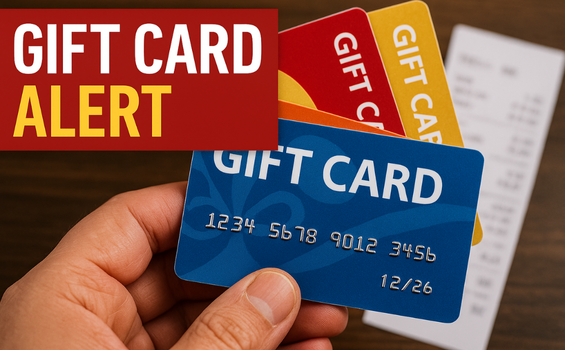
Americans purchased over $200 billion in gift cards annually. Yet, federal consumer complaint data shows thousands of issues involving undisclosed fees, retailer bankruptcies, fraudulent redemption, and expiration policies that reduce card value before consumers can use them
Federal Protections for Gift Card Purchases
The Credit Card Accountability Responsibility and Disclosure (CARD) Act of 2009 established minimum federal protections that apply when consumers gift card purchases. These regulations set standards for expiration dates, fee disclosures, and remaining balance policies.
Under federal law, gift cards cannot expire for at least five years from the purchase date or the date when funds were last loaded onto the card. This protection applies to both single-store gift cards and multi-store cards, though certain exceptions exist for promotional cards distributed as rewards or incentives.
Dormancy fees, inactivity fees, and service charges cannot be imposed unless the card remains unused for at least 12 consecutive months. When fees do apply after this period, companies must clearly disclose the fee amount, frequency, and conditions triggering charges on the card packaging or attached materials.
Remaining balance rules require that consumers can access residual funds after card use. If your purchase leaves $5.37 remaining on a gift card, retailers in some states must provide cash refunds for small balances, typically under $5-10, depending on jurisdiction.
State-Level Consumer Protections
Individual states have enacted additional protections beyond federal minimums, creating varying rights depending on purchase location and where the retailer operates.
California law prohibits expiration dates entirely on gift cards sold to consumers and restricts all fees except in limited circumstances. Cards purchased in California maintain full value indefinitely, regardless of time elapsed since purchase.
New York requires retailers to redeem gift cards for cash when balances fall below $5. The state also mandates that any promotional materials displaying gift cards must include expiration date information if applicable.
Massachusetts, Oregon, Rhode Island, and Washington have similar prohibitions on expiration dates and fees. Connecticut, Maine, and Montana require cash redemption for small remaining balances.
These state protections apply based on where you purchased the gift card rather than where you attempt to use it. A consumer’s gift card bought in California retains California protections even when used at a retailer location in another state.
Understanding Bankruptcy and Business Closure Risks
Gift cards represent unsecured debt, meaning gift card holders become unsecured creditors if a retailer files for bankruptcy. In bankruptcy proceedings, unsecured creditors typically recover little to nothing after secured creditors and priority claims are satisfied.
When retailers close stores or cease operations, gift cards often lose all value immediately. Unlike bank deposits protected by FDIC insurance, gift cards lack federal insurance protecting your funds if businesses fail.
Recent retail bankruptcies affecting gift card holders include major department stores, restaurant chains, and specialty retailers. The Consumer Protection Agency tracks business closures and bankruptcy filings affecting consumer gift card value.
Protective Measures:
Purchase gift cards from financially stable retailers by checking recent financial news and credit ratings when buying high-value cards. Avoid purchasing gift cards significantly in advance of when you plan to use them or give them as gifts.
Use gift cards promptly after receiving them rather than holding them for extended periods. The longer you wait, the more exposure you have to bankruptcy risk, business model changes, or unexpected closures.
Consider credit cards instead of gift cards when giving monetary gifts to adults who can manage credit responsibly. Credit cards provide stronger consumer protections than stored-value cards.
Recognizing Fee Structures and Hidden Charges
Despite federal restrictions on fees, several legitimate charges can reduce gift card value under specific circumstances.
Permitted Fees:
Activation fees may apply when purchasing gift cards, typically ranging from $2.95-$6.95 for cards with prepaid values. These one-time charges are clearly disclosed at purchase and don’t reduce the card’s stated value.
Replacement card fees apply if you lose your gift card and request a replacement. Retailers typically charge $5-15 for replacement cards when you can provide the original card number and proof of purchase.
International transaction fees may apply when using U.S.-issued gift cards abroad, though this varies by card program and retailer policy.
Inactivity Fees After 12 Months:
After one year of non-use, some gift cards assess monthly inactivity fees of $2-$5 per month. These fees must be clearly disclosed on packaging or in materials provided at purchase.
To avoid inactivity fees, use gift cards within 12 months of receipt or make small periodic purchases to reset the inactivity clock.
Fraud and Scam Prevention
Gift card fraud has increased significantly, with criminals using various tactics to steal value from consumers’ gift card purchases before legitimate users can access funds.
Common Scam Patterns:
Card number theft occurs when criminals record numbers from gift card displays in stores, then monitor the cards online until activation occurs. Once activated by a legitimate purchaser, thieves immediately drain funds.
Scrutinize gift card packaging before purchase. Avoid cards with visible tampering, scratched-off PINs, or packaging that appears resealed. Select cards from behind the front row of displays when possible.
Imposter scams involve criminals contacting consumers and demanding payment via gift cards while impersonating government agencies, utility companies, or tech support services. Legitimate organizations never request payment through gift cards.
The Federal Trade Commission reports gift card scams cost consumers over $233 million in 2023—report fraud immediately to the gift card issuer, the FTC at ReportFraud.ftc.gov, and local law enforcement.
Purchase Security Tips:
Buy gift cards directly from retailers or their authorized agents rather than third-party sellers who may offer cards at discounts. Discounted cards from unauthorized sources may be stolen, counterfeit, or already drained of value.
Activate and register cards immediately after purchase when registration options exist. Registration helps protect the value of cards if they are lost or stolen and enables balance verification.
Photograph gift card numbers and PIN codes immediately after purchase or receipt. Store images securely, separate from physical cards, to enable reporting and potential recovery if cards are stolen.
Maximizing Gift Card Value
Strategic approaches to purchasing and using gift cards protect consumer interests and maximize utility.
Purchase gift cards only from retailers you regularly use or for recipients whose shopping preferences you know well. Generic purchasing power loses value when consumers gift card recipients lack interest in specific store offerings.
Combine gift card purchases with promotional offers. Many retailers offer bonus values during holiday periods—spending $50 on gift cards might yield $60 in spendable value through promotional bonuses.
Stack gift cards with sales, coupons, and clearance pricing to maximize purchasing power. Most retailers allow gift card use on already-discounted items, though policies vary.
Check remaining balances regularly through retailer websites or phone numbers printed on cards. Awareness of the exact available funds prevents partial payment complications at checkout.
Documentation and Record Keeping
Maintaining records of gift card purchases protects your interests if disputes arise.
Keep purchase receipts separate from gift cards. If cards are lost or stolen, receipts provide proof of purchase and card numbers needed for replacement or balance recovery.
Register cards when optional registration is available through retailer websites. Registration links card numbers to your identity, enabling replacement if cards are lost.
Document card balances after each use. Disputes about remaining values are easier to resolve when you can demonstrate a balanced history through transaction records.
For a broader analysis of retail practices affecting consumers, Learn about Woke examines corporate policies and their consumer impact.
Reporting Problems and Seeking Resolution
When issues arise with gift cards, specific channels exist for complaints and dispute resolution.
Contact the gift card issuer first through customer service numbers printed on cards or available on the company’s website—document all communications, including dates, representative names, and promised resolutions.
File complaints with state consumer protection offices when retailers refuse to honor valid gift cards or violate state laws regarding fees or expiration dates. State attorneys general handle the enforcement of consumer protection statutes.
Submit FTC complaints for violations of federal CARD Act provisions or fraud concerns. Federal complaints contribute to enforcement actions against companies engaging in systematic abuses.
Dispute charges with credit card companies if you purchased gift cards that were not honored as promised. Credit card dispute rights may enable recovery of purchase costs when gift cards prove defective or fraudulent.
Making Informed Gift Card Decisions
Understanding consumers’ gift card protections enables better purchasing decisions and appropriate responses when problems occur.
Evaluate whether gift cards represent the best option for your gifting or personal use needs. Cash, checks, or direct transfers provide recipients more flexibility without bankruptcy risks or fee concerns.
When gift cards make sense, purchase from financially stable retailers, use cards promptly, and maintain thorough documentation to protect your interests.
Your awareness of gift card regulations and consumer rights helps you avoid common pitfalls while maximizing value from this popular payment and gifting method.

Consumer Protection Journal Team is committed to being your most trusted ally in your pursuit of consumer education.