
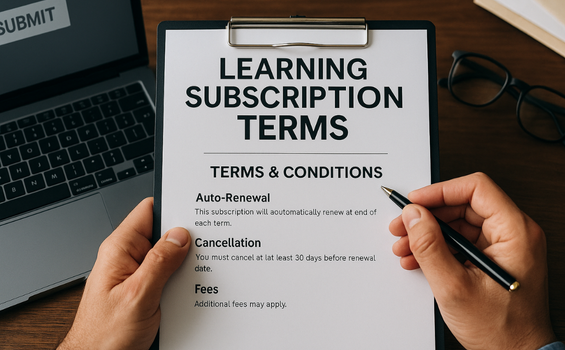
Subscription services generate over $275 billion annually in the United States. Yet, consumer complaint data shows thousands of disputes involving hidden fees, complex cancellation processes, and auto-renewal charges that consumers didn’t authorize or understand
Essential Contract Elements in Subscription Agreements
Learning subscription services require careful contract review before enrollment. These agreements contain specific terms governing billing cycles, renewal procedures, and cancellation rights that directly affect your financial obligations and access to services.
Federal regulations require companies to disclose material terms before consumers complete purchases clearly. The FTC’s Restore Online Shoppers’ Confidence Act (ROSCA) mandates explicit consent for recurring charges and transparent disclosure of all terms. Despite these protections, subscription terms often contain provisions that surprise consumers after enrollment.
Understanding these contract elements before signing up protects your financial interests and prevents disputes requiring formal complaint processes through regulatory agencies.
Identifying Auto-Renewal Clauses
Auto-renewal provisions automatically charge your payment method at the end of each billing period without requiring your active consent for each charge. While convenient for continuous service access, these clauses create financial obligations that continue until you actively cancel.
Critical Auto-Renewal Terms to Review:
Notification requirements specify whether companies must alert you before charging renewal fees. Many learning subscription services send renewal reminders 7-30 days before billing, but requirements vary by state law and company policy.
Renewal rate structures may differ from introductory pricing. A learning subscription offering the first month at $9.99 might automatically renew at $29.99 monthly without additional confirmation.
Grace period provisions determine whether you can receive refunds if you miss cancellation deadlines. Some services provide 3-7 day windows for refund requests after the renewal charges process.
State laws in California, New York, and several other jurisdictions require specific auto-renewal disclosures. California’s Automatic Renewal Law (ARL) mandates clear and conspicuous disclosure of auto-renewal terms before purchase completion, with explicit consumer consent required.
Recognizing Hidden Fee Structures
Subscription pricing often includes charges beyond the advertised monthly or annual rate. These additional fees significantly impact total costs but may appear only in full terms of service documents rather than marketing materials.
Common Additional Charges:
Account setup fees or activation charges sometimes apply to new learning subscription enrollments, adding $15-$50 to initial costs. Platform access fees may apply separately from content subscription costs in educational services.
Early termination fees penalize cancellation before contract term completion. Some annual learning subscription agreements charge 50% of the remaining contract value if canceled mid-term.
Feature upgrade costs apply when advertised “unlimited access” actually limits certain premium content to higher-tier plans. Educational platforms may restrict live instruction, certification programs, or downloadable materials to premium subscriptions despite basic tier marketing suggesting comprehensive access.
Processing fees for payment method changes, account transfers, or refund requests add transactional costs to subscription management.
The Consumer Protection Agency documents recurring complaints about fee disclosures that don’t meet federal transparency standards, particularly regarding charges not mentioned in initial marketing materials.
Examining Cancellation Procedures
Cancellation difficulty represents the most frequent subscription-related consumer complaint category. Companies must provide precise cancellation mechanisms, but complexity and accessibility vary significantly across services.
Cancellation Method Requirements:
Federal law requires that cancellation processes be “simple” – generally interpreted as equally accessible to enrollment methods. If you can subscribe online, you should cancel online without needing phone calls or written correspondence.
However, some learning subscription services require specific cancellation procedures:
- Account dashboard cancellation options that may be difficult to locate
- Email requests to particular addresses with subject line requirements
- Phone calls during limited business hours
- Written notices sent via postal mail with specific timing requirements
Multi-step cancellation processes sometimes include retention offers, satisfaction surveys, or confirmation delays that extend processing time beyond the current billing cycle.
Documentation requirements may mandate that you provide account information, purchase confirmation numbers, or cancellation reasons before processing your request.
Understanding Access Terms and Content Limitations
“Unlimited access” promises in learning subscription marketing require scrutiny. This terminology often contains significant limitations that affect actual service utility.
Access Restrictions to Verify:
Content availability periods may limit how long specific courses, materials, or resources remain accessible. Educational platforms frequently rotate content libraries, removing courses without notice or subscriber compensation.
Concurrent use limitations restrict how many devices can access your learning subscription simultaneously. Family plans may allow only 2-3 simultaneous streams despite multiple household members needing access.
Geographic restrictions may block content access when traveling or from specific IP addresses. Licensing agreements sometimes limit educational content availability by region or country.
Download and offline access capabilities often require premium-tier subscriptions even when marketing suggests this feature comes standard. Many learning subscription services restrict content downloads to prevent sharing while requiring continuous internet connectivity.
Post-cancellation access terms determine whether you retain any content access after subscription termination. Some services immediately revoke all access, while others provide 30-day grace periods for content review or download.
Analyzing Trial Period Terms
Free trial offers require meticulous review since they typically include automatic conversion to paid subscriptions. Consumer complaints frequently involve trial subscriptions that convert to full-price services without adequate notice.
Trial Period Provisions:
Trial duration specifications should clearly state exact time periods – “30 days” versus “one month” creates different obligation timelines depending on enrollment date.
Cancellation timing requirements often mandate cancellation 24-48 hours before trial expiration to prevent billing. Some learning subscription services require cancellation 7 days before trial end dates.
Credit card authorization requirements for “free” trials create immediate billing risks if you forget to cancel. Companies may place authorization holds on payment methods that convert to charges automatically.
Trial-to-paid conversion rates should be clearly disclosed. If trial pricing is $1 but the standard monthly cost is $39.99, this represents a 3,900% increase that requires explicit disclosure under consumer protection laws.
Reviewing Data and Privacy Terms
Learning subscription agreements include data collection and usage provisions affecting your personal information and educational records. These terms have both privacy and financial implications.
Educational platforms collect learning data, including course progress, quiz results, time spent on materials, and subject matter interests. Terms of service specify whether companies can sell this data to third parties, use it for advertising purposes, or share it with educational institutions or employers.
Family Educational Rights and Privacy Act (FERPA) protections may apply to certain educational subscriptions, particularly those affiliated with accredited institutions. Review whether your learning subscription data receives FERPA protections or falls outside educational record definitions.
Account sharing prohibitions restrict whether family members or household members can use single subscriptions. Violations may result in account termination without refund, though enforcement varies significantly.
For a broader context on corporate data practices, Learn about Woke provides an analysis of how companies use consumer information.
Documenting Your Subscription Terms
Maintaining comprehensive records of subscription terms protects your interests if disputes arise. Consumer protection cases often depend on documentation proving what terms existed at enrollment versus what companies claim afterward.
Essential Documentation:
Screenshot complete terms of service, privacy policies, and pricing pages at enrollment. Companies frequently modify terms, and original documentation establishes your initial agreement.
Save all confirmation emails, including enrollment receipts, welcome messages, and any correspondence regarding account setup or billing.
Document marketing materials or advertisements that influenced your purchase decision, particularly claims about content access, pricing, or service features.
Record cancellation requests, including dates, methods used, confirmation numbers received, and any representative names from phone interactions.
Taking Action on Subscription Concerns
If learning subscription terms appear misleading or companies fail to honor stated terms, multiple reporting channels exist:
Federal Trade Commission complaints submitted through ReportFraud.ftc.gov document deceptive practices and contribute to enforcement actions against companies violating consumer protection laws.
State attorneys general’s offices handle consumer protection violations, including subscription billing disputes. Many states maintain dedicated consumer protection divisions.
Better Business Bureau reports create public records of company practices and may facilitate dispute resolution through mediation services.
Credit card dispute processes allow you to challenge unauthorized charges or charges that violate stated terms. Fair Credit Billing Act protections apply to subscription billing errors.
Making Informed Subscription Decisions
Careful contract review before enrolling in any learning subscription service prevents financial surprises and legal complications. Compare actual terms of service against marketing claims to identify discrepancies requiring clarification.
Request written confirmation of any verbal representations about cancellation procedures, pricing, or content access. Verbal promises don’t constitute enforceable agreements unless documented in written terms.
Consider payment methods carefully – using credit cards rather than debit cards provides stronger dispute rights under federal law. Virtual credit card numbers limit potential exposure if you forget to cancel.
Your subscription choices affect not only your immediate costs but also long-term financial planning. Understanding terms before signing up represents essential consumer protection that saves time, money, and frustration across all subscription service categories.

Consumer Protection Journal Team is committed to being your most trusted ally in your pursuit of consumer education.