
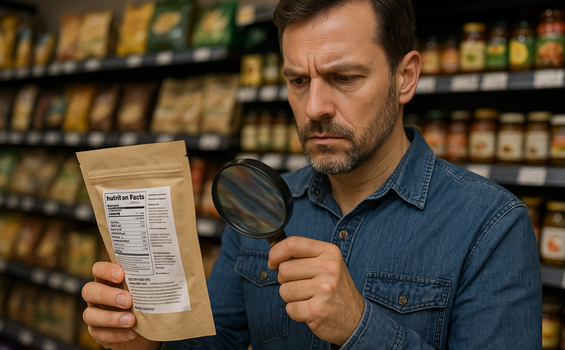
Decode misleading marketing terms, hidden ingredients, and labeling tricks that food manufacturers use. Learn to make genuinely informed choices when shopping for packaged foods and household products
Why Understanding Product Labels Matters
Walking down the grocery aisle, you’re surrounded by products making bold claims: “natural,” “organic,” “heart-healthy,” “made with real fruit.” These marketing messages cover packages in bright, appealing fonts designed to catch your attention. However, the most essential information often appears in small print on the back panel, written in technical language that’s deliberately difficult to understand.
Food manufacturers spend billions on packaging design and marketing, but they’re not required to make their labels easy to interpret. Learning how to read product labels empowers you to see past marketing hype and understand what you’re actually buying. The difference between front-of-package claims and the reality hidden in the ingredient list can be startling—and sometimes costly to your health and wallet.
This guide reveals the labeling tricks companies use, explains what regulations require (and what they don’t), and provides practical strategies to decode nutrition facts labels and ingredient lists. For comprehensive consumer protection resources, visit the Consumer Protection Agency.
Understanding the Nutrition Facts Label
The nutrition facts label provides standardized information about calories and nutrients in packaged foods. The FDA mandates this format, but companies still find ways to present their products in the most favorable light.
Start with serving size: This appears at the top of every nutrition facts label and represents the foundation for all other numbers. Food manufacturers determine their own serving sizes, which don’t always reflect how much people actually eat in one sitting. A bag of chips might list a serving as “about 15 chips,” making the calorie count appear reasonable—until you realize the bag contains 2.5 servings and most people consume the entire bag.
When you check the nutrition facts, always note the number of servings per container. Multiply the calories and nutrient amounts by this number to understand what consuming the entire package means. A single serving of 150 calories becomes 375 calories when you eat the whole bag.
Examine calories and key nutrients: Below serving size, you’ll find calories per serving, followed by nutrients including total fat, saturated fat, trans fat, cholesterol, sodium, total carbohydrates, dietary fiber, total sugars, added sugars, and protein. The percent daily value column shows how much of each nutrient one serving provides based on a 2,000-calorie diet.
Pay special attention to saturated fat, trans fat, sodium, and the amount of added sugars. High levels of these nutrients increase health risks when consumed regularly. Conversely, look for higher amounts of dietary fiber, vitamins, and minerals—nutrients most Americans need more of in their diets.
The Added Sugars Disclosure You Should Never Ignore
One of the most significant recent changes to nutrition facts labels is the requirement to list added sugars separately from total sugars. This distinction matters because naturally occurring sugars in fruit or milk come packaged with beneficial nutrients, while added sugars provide empty calories.
Food manufacturers previously hid added sugars within total sugar counts, making it impossible to determine how much sugar companies added during processing versus what occurs naturally in ingredients. Now, you can see exactly how many grams of added sugars each serving contains and what percentage of the daily recommended limit this represents.
The American Heart Association recommends limiting added sugars to no more than 25 grams daily for women and 36 grams for men. A single serving of flavored yogurt can contain 15-20 grams of added sugars—more than half the daily limit for women. Without the added sugars line on nutrition facts labels, consumers assumed the sugar came primarily from milk, not from the corn syrup manufacturers added.
When you read food labels, check both total sugars and added sugars. Products with high total sugars but low or zero added sugars (like plain fruit or unsweetened dairy) provide natural sugars along with fiber, protein, vitamins, and minerals. Products with high added sugars deliver calories without nutritional benefits.
Decoding the Ingredient List
While the nutrition facts label quantifies nutrients, the ingredient list tells you what’s actually in the product. Ingredients appear in descending order by weight, meaning the first few ingredients make up most of the product.
The first three ingredients matter most: If sugar, refined flour, or oil appear in the top three positions, that product consists primarily of those ingredients, regardless of any healthy-sounding claims on the front. A cereal boasting “made with whole grains” might list sugar as the second ingredient and contain more sugar than whole grains by weight.
Watch for ingredient splitting: Food manufacturers sometimes divide similar ingredients into separate entries to make problematic components appear lower on the list. A product might list “sugar, corn syrup, honey, and molasses” as individual ingredients. Combined, these sweeteners would rank first or second, but listing them separately pushes them down the list, making the product appear less sugar-heavy than it actually is.
Understand vague terms: “Natural flavors,” “spices,” and “seasonings” can mean almost anything. These umbrella terms allow manufacturers to protect proprietary recipes while obscuring what you’re actually consuming. “Natural flavors” might contain dozens of chemical compounds extracted from natural sources but processed in laboratories. They’re not necessarily healthier than artificial flavors—just derived differently.
Long chemical names aren’t always bad: Some people avoid products with ingredients they can’t pronounce, but scientific names don’t automatically indicate danger. Ascorbic acid is vitamin C. Tocopherol is vitamin E. Pyridoxine hydrochloride is vitamin B6. These sound chemical, but are simply the technical names for nutrients. Focus instead on understanding what ingredients actually are rather than rejecting anything that sounds scientific.
Front-of-Package Marketing Claims to Question
The front of packaged foods features carefully chosen marketing claims designed to influence purchasing decisions. Many of these terms are poorly regulated or completely unregulated, allowing companies significant freedom in how they present products.
“Natural” means almost nothing: The FDA has not established a formal definition for “natural” on food labels. Generally, it means the product doesn’t contain artificial ingredients or added color, but that’s a low bar. Natural doesn’t mean organic, minimally processed, or nutritious. High-fructose corn syrup qualifies as natural under current standards because it’s derived from corn.
“Made with whole grains” is misleading: This phrase only requires that the product contain some whole grains—not that entire grains are the primary ingredient. A cereal “made with whole grains” might contain 5% whole grain flour and 95% refined flour. To ensure you’re getting substantial whole grains, check the ingredient list for whole grain flour as the first ingredient.
“Lightly sweetened” is subjective: No regulations define what “lightly” means. A product marketed as lightly sweetened might contain 15 grams of added sugars per serving—more than many regular versions of similar products. Always check the nutrition facts label rather than trusting front-of-package descriptors.
“Good source of” claims: When products claim to be a “good source” of a vitamin or nutrient, they must contain 10-19% of the daily value per serving. “Excellent source” requires 20% or more. While these terms have legal definitions, companies sometimes fortify nutritionally poor products with vitamins to justify health claims. Vitamin-fortified candy is still candy.
“Multigrain” isn’t “whole grain”: Multigrain means the product contains multiple types of grains, which could all be refined. It says nothing about whether those grains are whole or processed. Only “whole grain” indicates that the grain retains its fiber-rich bran and nutrient-dense germ.
Understanding Serving Size Manipulation
Serving size represents one of the most potent tools food manufacturers use to make products appear healthier than they are. While the FDA provides reference amounts customarily consumed (RACCs) that companies should follow, these guidelines don’t always reflect real-world eating patterns.
Unrealistic portions: A bottle of soda, juice, or iced tea that most people drink in a single sitting might be labeled as containing 2 or 2.5 servings. This makes the sugar and calorie content per serving appear moderate when the typical consumption pattern delivers much more. Always multiply single-serving numbers by the number of servings per container to see the whole picture.
Similar products, different serving sizes: Comparing products becomes difficult when manufacturers use different serving sizes. One brand of ice cream might list a half-cup serving while another uses two-thirds of a cup. The second brand has more calories and sugar, but when you calculate per-ounce, they might be identical, or the first brand might actually be higher.
When you read food labels, standardize serving sizes mentally to make accurate comparisons. Calculate calories and nutrients per 100 grams or per ounce to see which product truly offers better nutritional value.
Extraordinary Claims That Need Verification
Certain label claims carry specific regulatory definitions, but understanding what they actually guarantee (and what they don’t) helps you choose foods more effectively.
Organic certification: Products labeled “100% organic” must contain only organic ingredients. “Organic” means at least 95% organic ingredients. “Made with organic ingredients” requires 70% organic content. Organic farming prohibits synthetic pesticides and fertilizers, but organic doesn’t automatically mean more nutritious or lower in calories, saturated fat, or added sugars. Organic cookies are still cookies.
“No trans fat” doesn’t mean zero: FDA regulations allow products with less than 0.5 grams of trans fat per serving to claim “0 grams trans fat” on the nutrition facts label. If the ingredient list includes “partially hydrogenated oil,” the product contains trans fat even if the label claims zero. When you see partially hydrogenated oil listed, choose a different product—trans fat is the most harmful type of fat for cardiovascular health.
“Low sodium” definitions: “Sodium-free” means less than 5 mg per serving. “Very low sodium” means 35 mg or less. “Low sodium” means 140 mg or less. “Reduced sodium” means at least 25% less than the regular product. Even “reduced sodium” products can contain significant amounts if the original version was extremely high. Check actual sodium numbers rather than relying on these descriptors.
Gluten-free requirements: Products labeled gluten-free must contain less than 20 parts per million of gluten. This matters for people with celiac disease or gluten sensitivity, but gluten-free doesn’t mean healthier for others. Gluten-free products often contain more sugar, fat, and calories than their gluten-containing counterparts to improve taste and texture.
Reading Labels for Different Product Categories
Different product types require attention to specific label elements based on their typical nutritional profiles and standard deceptive practices.
Breakfast cereals: Check where sugar ranks in the ingredient list and note the amount of added sugars on the nutrition facts label. Look for at least 3 grams of dietary fiber per serving. Verify that whole grain appears as the first ingredient if the package makes entire grain claims. Be skeptical of cereals marketed to children—these typically contain the most added sugars despite colorful packaging suggesting they’re part of a balanced breakfast.
Yogurt: Plain yogurt contains natural milk sugars (lactose) but no added sugars. Flavored yogurts can contain 15-25 grams of added sugars per serving—as much as ice cream. Choose plain yogurt and add fresh fruit, or select products with minimal added sugars (under 10 grams per serving). Greek yogurt typically provides more protein than regular yogurt, which helps with satiety.
Bread: The first ingredient should be whole grain flour for maximum nutritional benefits. Check dietary fiber content—aim for at least 2-3 grams per slice. Be aware that “wheat flour” is not the same as “whole wheat flour.” Wheat flour is refined white flour made from wheat, lacking the fiber and nutrients found in whole grain.
Salad dressings and condiments: These products often contain surprising amounts of added sugars and sodium. A two-tablespoon serving (easy to exceed when dressing a salad) can contain 5-8 grams of added sugars in sweeter varieties. Choose dressings with oil as the first ingredient rather than sugar, or make simple dressings at home with olive oil and vinegar.
For broader insights on consumer advocacy and corporate practices, explore Learn about Woke.
Creating Your Label-Reading Strategy
Developing efficient label-reading habits makes shopping faster and helps you consistently choose foods that align with your values and health goals.
Prioritize the ingredient list: Start by reading ingredients rather than front-of-package claims. This tells you what the product actually contains without marketing spin. If the first few ingredients are whole foods you recognize and want to eat, the product likely aligns with healthy eating patterns.
Use the 5-5-1 rule: Look for products with less than 5 grams of added sugars, less than 5 grams of saturated fat, and at least 1 gram of dietary fiber per serving. This simple guideline helps quickly evaluate whether a product fits within a balanced diet.
Compare similar products: Don’t assume brand reputation guarantees superior quality. Store brands often have comparable or better nutritional profiles compared to name brands at lower prices. Compare nutrition facts labels and ingredient lists for products you buy regularly—you might discover better options.
Focus on nutrients you need more of: Instead of only avoiding problematic nutrients like saturated fat and added sugars, actively seek products providing dietary fiber, protein, vitamins, and minerals. The percent daily value column helps identify foods that significantly contribute to your nutritional needs.
Question your assumptions: Many foods perceived as healthy contain problematic ingredients or excessive amounts of added sugars, sodium, or saturated fat. Granola, protein bars, smoothies, and “natural” snacks often deliver more calories and added sugars than expected. Always verify with the nutrition facts label rather than assuming products are healthy based on marketing or reputation.
Protecting Yourself as an Informed Consumer
Learning how to read product labels represents just one aspect of consumer protection, but it’s a powerful tool you use multiple times per week. The food industry spends billions on packaging, marketing, and lobbying to present products favorably while meeting minimum regulatory requirements.
Your best defense is skepticism combined with label literacy. When claims seem too good to be true or products appear suspiciously healthy despite tasting like dessert, investigate further. Check the nutrition facts, read the ingredient list, and understand what the numbers and terms actually mean for your health and budget.
Remember that no single food determines overall health—your total dietary pattern matters most. Occasionally choosing foods with added sugars or saturated fat as treats fits within balanced eating. The goal isn’t perfection but rather informed decision-making about what you’re putting into your body and your family’s bodies.
By understanding how to read product labels effectively, you take control of your food choices rather than letting marketing departments make decisions for you. This knowledge protects your health, your wallet, and your right to know what you’re actually buying when you choose foods for yourself and those you care about.

Consumer Protection Journal Team is committed to being your most trusted ally in your pursuit of consumer education.