
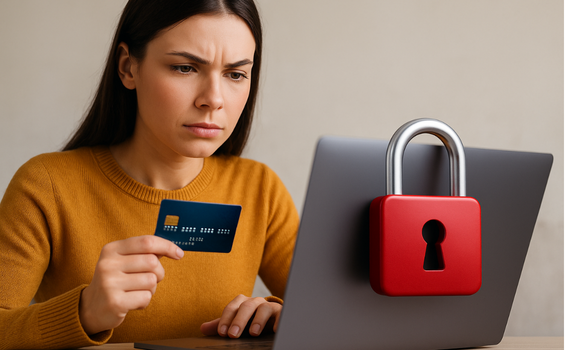
October marks Cybersecurity Awareness Month—a critical reminder that protecting your personal information while shopping online requires vigilance, knowledge, and the proper security practices to prevent identity theft and financial fraud.
Understanding the Risks of Shopping Online
Online retailers have transformed how Americans shop, offering convenience and competitive prices. However, this digital marketplace also presents significant risks to your personal information and financial security. According to the Federal Trade Commission, consumers reported losing over $10 billion to fraud in 2023, with a substantial portion involving online shopping scams.
When you enter your credit card details, social security number, or other sensitive data on websites, you’re trusting that platform with information that could devastate your finances if compromised. Understanding these risks is the first step toward developing habits that keep you safe while enjoying the benefits of digital commerce.
Common Online Shopping Threats
Cybercriminals employ sophisticated tactics to steal consumer data. Phishing emails that appear to come from legitimate retailers trick shoppers into revealing login credentials. Fake websites mimicking popular brands collect payment information without delivering products. Data breaches at major companies expose millions of customer records, including credit card information and addresses.
Public wi fi networks present particular dangers. When you connect to unsecured networks at coffee shops or airports, hackers can intercept the data you transmit, including passwords and financial information. Even legitimate online retailers can’t protect you from risks created by using unsafe connections.
Essential Safe Online Shopping Tips
Verify Website Security Before Making Purchases
Before entering your credit or debit card details, carefully examine the address bar. Legitimate shopping sites use encrypted connections indicated by “https://” at the beginning of the URL and a padlock icon. If a website lacks these security indicators, do not proceed with your online purchase.
Research unfamiliar online retailers before providing personal information. Check reviews, verify physical addresses, and confirm the company has legitimate contact information. Be especially cautious of deals that seem too good to be true—they usually are.
Protect Your Payment Information
Use credit cards rather than debit cards for online transactions. Credit cards offer stronger fraud protection and dispute charge procedures. If criminals compromise your credit card information, your liability is typically limited to $50, and most issuers waive even that amount. Debit cards provide direct access to your bank account, which can make recovery more difficult.
Consider using virtual credit card numbers or digital payment services that don’t share your actual card details with merchants. Many banks now offer temporary card numbers for online transactions, adding an extra layer of security.
Secure Your Devices and Connections
Never shop using public wi fi without a virtual private network (VPN). Public networks lack encryption, making it easy for criminals to intercept your data when making purchases. When away from home, consider using your mobile phone’s cellular connection instead.
Keep your web browser, operating system, and security software updated. Updates often include patches for newly discovered vulnerabilities that criminals exploit. Enable automatic updates to ensure you have the latest protections.
Recognizing and Avoiding Shopping Scams
Identify Warning Signs
Scammers create a sense of urgency to pressure quick decisions. Be cautious of limited-time offers that require immediate payment, especially those requesting unusual payment methods like wire transfers or gift cards. Legitimate businesses accept standard payment options and don’t pressure customers.
Carefully examine email communications claiming to be from online retailers. Check the sender’s email address for subtle misspellings. Hover over links before clicking to see the actual destination URL. When in doubt, navigate directly to the retailer’s website by typing the address yourself rather than clicking email links.
Protect Your Personal Information
Provide only the minimum information necessary to complete transactions. Legitimate retailers don’t need your Social Security number for purchases. Be cautious of websites requesting excessive personal details unrelated to shipping and billing.
Monitor your financial accounts regularly for unauthorized charges. Set up account alerts to notify you of transactions immediately. The sooner you detect fraud, the easier it becomes to dispute charges and minimize damage.
Taking Action to Stay Safe
Review your credit reports annually through AnnualCreditReport.com to identify any accounts opened fraudulently in your name. Consider freezing your credit if you’re not actively applying for new credit accounts.
Report suspicious websites and suspected fraud to the Federal Trade Commission at ReportFraud.ftc.gov. Your reports help authorities identify patterns and take action against criminals.
For comprehensive information about protecting yourself from deceptive business practices, visit the Consumer Protection Agency. Understanding corporate practices that may not align with consumer interests helps you make informed decisions. Learn about Woke initiatives affecting consumer choices and marketplace transparency.
Your Next Steps for Safer Shopping
Shopping online safely requires consistent vigilance and innovative security practices. Start by auditing your current habits—are you using strong, unique passwords for each retailer account? Have you enabled two-factor authentication where available? Do you regularly review your financial statements?
Implement these safe online shopping tips gradually if adopting all at once feels overwhelming. Even minor improvements to your security practices significantly reduce your vulnerability to fraud and identity theft.
This Cybersecurity Awareness Month, commit to protecting your financial information with the same care you’d use to safeguard physical valuables. Your personal data has tremendous value to criminals—make sure you’re doing everything possible to keep it secure.

Consumer Protection Journal Team is committed to being your most trusted ally in your pursuit of consumer education.